


Van Nus Featured in two books in 2025
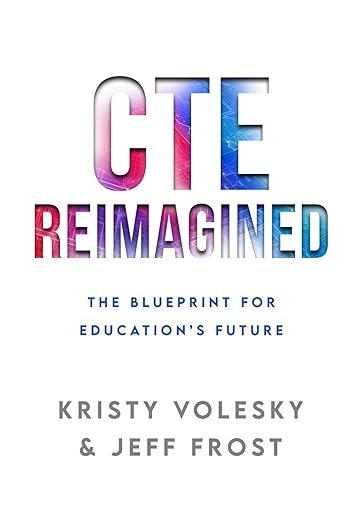
Jason Van Nus is profiled in CTE Reimagined as a national leader in Career and Technical Education transformation, recognized for building Work-Based Learning (WBL) systems that deliver measurable value to both students and employers. The feature situates his work within the book’s “Non-Negotiables of CTE Transformation,” highlighting his ability to move beyond isolated partnerships and instead design scalable, repeatable workforce systems.
The feature explicitly credits the program’s success to Van Nus’ business-first recruitment strategy, summarized bluntly in the text as: “Recruiting, recruiting, recruiting.”
Rather than starting with students and hoping employers follow, the model: recruits business partners first, identifies their workforce needs, then intentionally matches and prepares students to meet those needs.
This approach builds Proof of Concept (PoC) with employers, encourages long-term buy-in, and positions industry as part of the solution to workforce challenges—not a charitable participant.
The book also highlights Van Nus’ deliberate avoidance of education jargon, instead using business-focused language centered on value, return on investment (ROI), and competitive advantage, which strengthens trust and sustainability with industry partners.
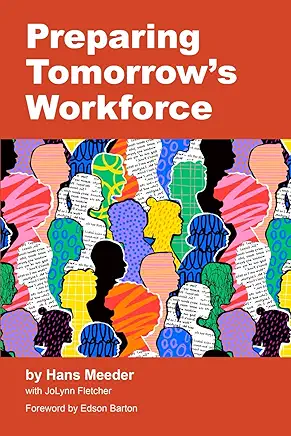
In this book, Jason Van Nus is featured in a nationally published Career-Connected Learning (CCL) profile recognizing innovative, high-impact models of Work-Based Learning (WBL) and employer engagement. The profile highlights his leadership as Director of Work-Based Learning and Youth Apprenticeship Programs for Lowndes County Schools and documents measurable outcomes that connect education directly to workforce demand.
Van Nus is recognized for designing and scaling employer-driven talent pipelines that align secondary education with real labor market needs. His work emphasizes student advocacy, employer value, and economic impact, positioning WBL not as a peripheral program, but as a core workforce development strategy.